Tuesday, December 22, 2020

Here's why Christmas movies are so appealing this holiday season


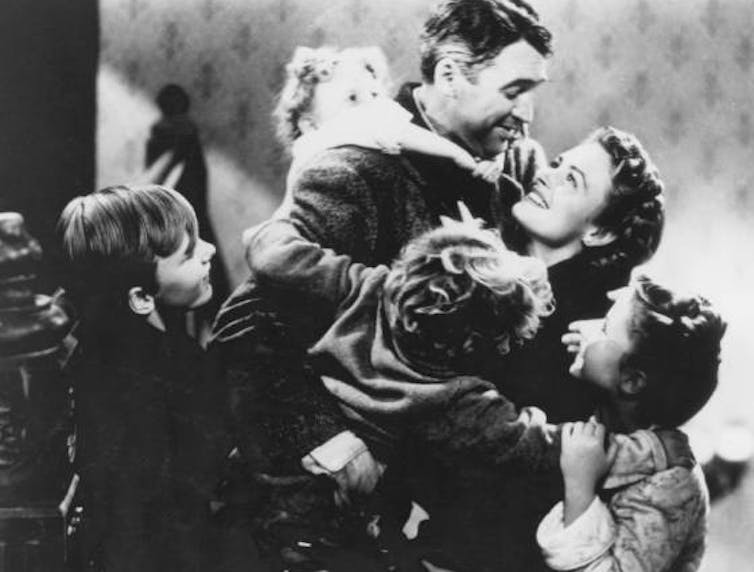
A still from the 1946 classic ‘It’s A Wonderful Life.’ RKO Pictures/Archive Photos/Moviepix/Getty Images

With the pandemic limiting travel over the holiday season, many Americans will be settling in front of the television to watch their favorite holiday movies, along with their favorite drink – a cup of hot apple cider or a glass of wine – to add some cheer.

Holiday movies have become an essential part of the American winter celebrations and are likely to be more so for those quarantining this year. The entertainment site Vulture reports 82 new holiday movie releases in 2020. But, even before the lockdown, production of annual Christmas movies was reported to be up by at least 20% since 2017 on a single cable network.

Holiday movies are popular not simply because they are “escapes,” as my research on the relation between religion and cinema argues. Rather, these films offer viewers a glimpse into the world as it could be.

Christmas movies as reflection

This is particularly true with Christmas movies.

In his 2016 book “Christmas as Religion,” the religious studies scholar Christopher Deacy states that Christmas movies act as a “barometer of how we might want to live and how we might see and measure ourselves.”

These movies offer a variety of portraits of everyday life while affirming ethical values and social mores along the way.

The 1946 classic “It’s a Wonderful Life” – a fantasy film about a man named George Bailey, who has touched the lives of many, despite all his problems – represents visions of a community in which every citizen is a vital component.

Another movie commonly replayed this time of year is 2005’s “The Family Stone,” which portrays the clashes of a mostly average family but shows viewers that quarrels can be worked through and harmony is possible.

The 2003 British holiday film “Love Actually,” which follows the lives of eight couples in London, brings to viewers the perennial theme of romance and the trials of relationships.

A couple on a couch watching a movie.
Holiday films create alternate realities that provide us solace. DGLimages/Shutterstock

Movie-watching as ritual practice

As holiday movies bring viewers into a fictional world, people are able to work through their own fears and desires about self-worth and relationships. Such movies can provide solace, reaffirmation and sometimes even courage to continue working through difficult situations. The movies offer hope in believing it all might turn out all right in the end.

When people see some part of their own lives unfold on screen, the act of viewing operates in a fashion that’s strikingly similar to how a religious ritual works.

As anthropologist Bobby Alexander explains, rituals are actions that transform people’s everyday lives. Rituals can open up “ordinary life to ultimate reality or some transcendent being or force,” he writes in the collection “Anthropology of Religion.”

For example, for Jews and Christians, ritually observing the Sabbath day by sharing meals with family and not working connects them with the creation of the world. Prayer rituals in the Muslim, Christian and Jewish traditions connect those praying with their God, as well as with their fellow believers.

Holiday movies do something similar, except that the “transcendent force” they make viewers feel is not about God or another supreme being. Instead, this force is more secular: It’s the power of family, true love, the meaning of home or the reconciliation of relationships.

Movies create an idealized world

Take the case of the 1942 musical “Holiday Inn.” It was one of the first movies – after the silent era’s various versions of Charles Dickens’ “A Christmas Carol” – where the plot used Christmas as a backdrop, telling the story of a group of entertainers who have gathered at a country inn.

In reality, it was a deeply secular film about romantic interests, couched in a desire to sing and dance. When it was released, the United States had been fully involved in World War II for a year and national spirits were not high.
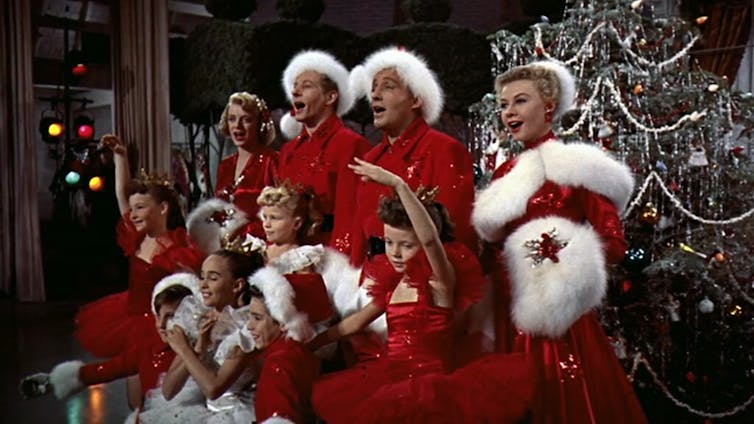
The cast of 'White Christmas' in front of a Christmas tree.
A still from the film ‘White Christmas’. Classic Film/Flickr, CC BY-NC

The movie hasn’t endured as a classic. But Bing Crosby’s song “White Christmas,” which appeared in it, quickly became etched in the holiday consciousness of many Americans, and a 1954 film called “White Christmas” became better known.

As historian Penne Restad puts it in her 1995 book “Christmas in America,” Crosby’s crooning offers the “quintessential expression” of the holidays, a world which “has no dark side” – one in which “war is forgotten.”

[Get the best of The Conversation, every weekend. Sign up for our weekly newsletter.]

In subsequent Christmas movies, the main plots have not been set in the context of war, yet there is nonetheless often a battle: that of overcoming a materialistic, gift-buying and gift-giving kind of holiday.

Movies like “Jingle all the Way,” “Deck the Halls” and “How the Grinch Stole Christmas!” center around the idea that the true meaning of Christmas is not in rampant consumerism but in goodwill and family love.

Dr. Seuss’ famously grouchy Grinch thinks he can ruin Christmas by taking all the gifts away. But as the people gather together, giftless, they join hands and sing while the narrator tells viewers, “Christmas came anyway.”

A scene from the 1966 TV movie ‘How the Grinch Stole Christmas!’

‘All’s right with the world’

Though Christmas is a Christian holiday, most holiday films are not religious in the traditional sense. There is hardly ever a mention of Jesus or the biblical setting of his birth.

As media studies scholar John Mundy writes in a 2008 essay “Christmas and the Movies,” “Hollywood movies continue to construct Christmas as an alternative reality.”

These movies create on-screen worlds that kindle positive emotions while offering a few laughs.

A Christmas Story,” from 1983, waxes nostalgic for childhood holidays when life seemed simpler and the desire for a Red Ryder air rifle was the most important thing in the world. The plot of 2003’s “Elf” centers on the quest to reunite with a lost father.

In the end, as the narrator says late in “A Christmas Story” – after the family has overcome a serious of risible mishaps, the presents have been unwrapped and they’ve gathered for Christmas goose – these are times when “all’s right with the world.”

At the end of a troubled 2020, and as so many families are physically isolated from their loved ones, people need to believe in worlds in which all’s right. Holiday movies allow a glimpse of such a place.

This is an updated version of an article first published on Dec. 6, 2019.The Conversation

S. Brent Rodriguez-Plate, Professor of Religious Studies and Cinema and Media Studies, by special appointment, Hamilton College

This article is republished from The Conversation under a Creative Commons license.

As heavenly bodies converge, many ask: Is the Star of Bethlehem making a comeback?

A Nativity presentation showing the three wise men being led by the Star of Bethlehem. Steve Russell/Toronto Star via Getty Images

On Dec. 21, 2020, Jupiter and Saturn will cross paths in the night’s sky and for a brief moment, they will appear to shine together as one body. While planetary conjunctions like this are not everyday events, they also are not particularly rare.

This year’s conjunction is different for at least two reasons. The first is the degree to which the two planets will be aligned. Experts predict that they will appear closer during this conjunction than they have in nearly eight centuries and also brighter.

But the second factor, and the one that has thrust this event into the spotlight, is that it will occur on the winter solstice, just before the Christmas holiday. The timing has led to a speculation whether this could be the same astronomical event that the Bible reports led the wise men to Joseph, Mary and the newly born Jesus – the Star of Bethlehem.

As a scholar of early Christian literature writing a book on the three wise men, I argue that the upcoming planetary conjunction is likely not the fabled Star of Bethlehem. The biblical story of the star is intended to convey theological rather than historical or astronomical truths.

Leading light

The story of the star has long fascinated readers, both ancient and modern. Within the New Testament, it is found only in the Gospel of Matthew, a first-century account of Jesus’ life that begins with the story of his birth.

In this account, wise men arrive in Jerusalem and say to Herod, the king of Judea: “Where is the child who has been born king of the Jews? For we observed his star at its rising and have come to pay him homage.” The star then leads them to Bethlehem and stops over the house of Jesus and his family.

Many have read this story with the presupposition that Matthew must have been referencing an actual astronomical event that occurred around the time of Jesus’ birth. The astronomer Michael R. Molnar, for example, has argued that the Star of Bethlehem was an eclipse of Jupiter within the constellation Ares.

There are at least two issues involved in associating a specific event with Matthew’s star. The first is that scholars are not certain exactly when Jesus was born. The traditional date of his birth may be off by as many as six years.

The second is that measurable, predictable astronomical events occur with relative frequency. The quest to discover which event, if any, Matthew might have had in mind is therefore a complicated one.

Beliefs about the star

The theory that the conjunction of Jupiter and Saturn may be the Star of Bethlehem is not new. It was proposed in the early 17th century by Johannes Kepler, a German astronomer and mathematician. Kepler argued that this same planetary conjunction in or around 6 B.C. could have served as inspiration for Matthew’s story of the star.

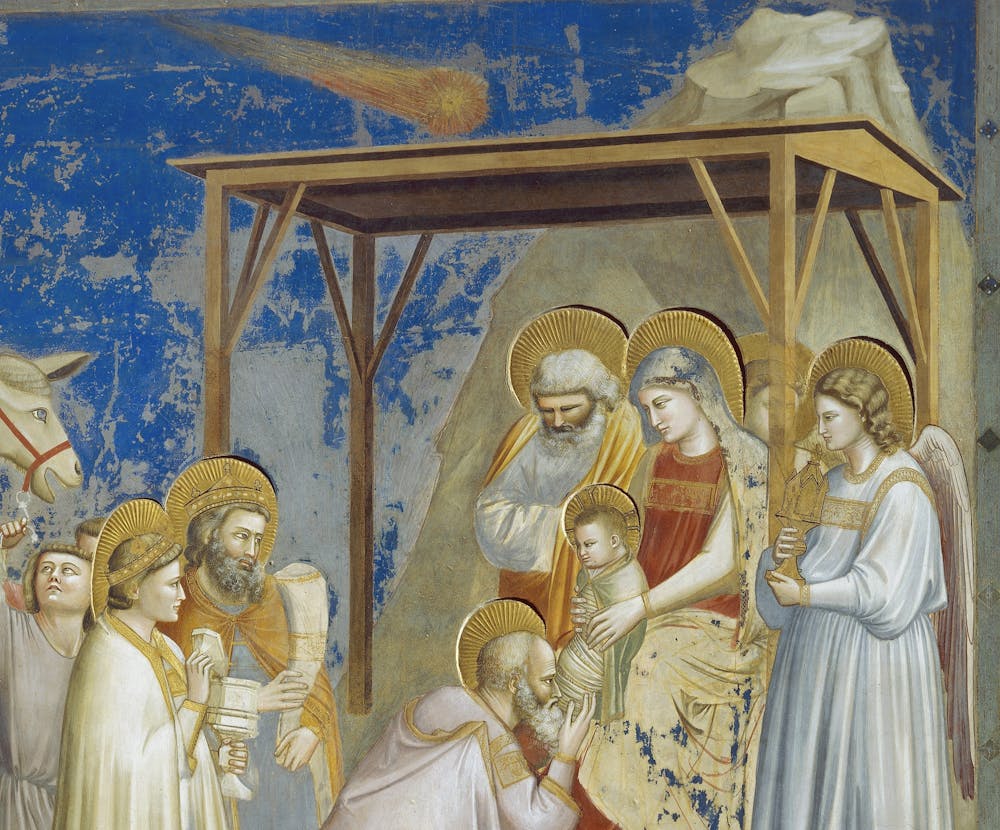
Kepler was not the first to suggest that the Star of Bethlehem may have been a recognizable astronomical event. Four hundred years prior to Kepler, between 1303 and 1305, the Italian artist Giotto painted the star as a comet on the walls of the Scrovegni Chapel in Padua, Italy.

Painting ‘Adoration of the Magi,’ by Giotto, showing the comet in Scrovegni Chapel, Padua, Veneto, Italy. DEA / A. Dagli Orti/De Agostini via Getty Images

Scholars have suggested that Giotto did this as an homage to Halley’s Comet, which astronomers have determined was visible in 1301, on one of its regular flights past the Earth. Astronomers have also determined that Halley’s Comet passed by the Earth in or around 12 B.C., between five and 10 years before most scholars argue that Jesus was born. It is possible that Giotto believed Matthew was referencing Halley’s Comet in his story of the star.

Attempts to discover the identity of Matthew’s star are often creative and insightful, but I would argue that they are also misguided.

The star in Matthew’s story may not be a “normal” natural phenomenon, and Matthew suggests as much in the way that he describes it. Matthew says that the wise men come to Jerusalem “from the East.” The star then leads them to Bethlehem, south of Jerusalem. The star therefore makes a sharp left turn. And astronomers will agree that stars do not make sharp turns.

Moreover, when the wise men arrive in Bethlehem, the star is low enough in the sky to lead them to a specific house. As physicist Aaron Adair puts it: “the Star is said to stop in place and hover over a particular lodging, acting as an ancient GPS unit.” The “description of the movements of the Star,” he noted, was “outside what is physically possible for any observable astronomical object.”

Theological underpinning

In short, there appears to be nothing “normal” or “natural” about the phenomenon that Matthew describes. Perhaps the point that Matthew is trying to make is a different one.

Matthew’s story of the star draws from a body of tradition in which stars are connected to rulers. The rising of a star signifies that a ruler has come to power.

In the biblical book of Numbers, for example, which dates to 5th century B.C., the prophet Balaam predicts the arrival of a ruler who will defeat the enemies of Israel. “A star shall come out of Jacob, [meaning Israel]…it shall crush the borderlands of Moab.”

One of the most well-known examples of this tradition from antiquity is the so-called “Sidus Iulium,” or “Julian Star,” a comet that appeared a few months after the assassination of Julius Caesar in 44 B.C. Roman authors Suetonius and Pliny the Elder report that the comet was so bright that it was visible in the late afternoon, and that many Romans interpreted the spectacle as evidence that Julius Caesar was now a god.

In light of such traditions, I believe Matthew’s story of the star exists not to inform readers about a specific astronomical event, but to support claims that he is making about the character of Jesus.

Put another way, I argue that Matthew’s goal in telling this story is more theological than it is historical.

The upcoming conjunction of Jupiter and Saturn is therefore likely not a return of the Star of Bethlehem, but Matthew would likely be pleased with the awe it inspires in those who anticipate it.The Conversation

Eric M. Vanden Eykel, Associate Professor of Religion, Ferrum College

This article is republished from The Conversation under a Creative Commons license.


Coronavirus new variant – genomics researcher answers key questions


Kateryna Kon/Shutterstock

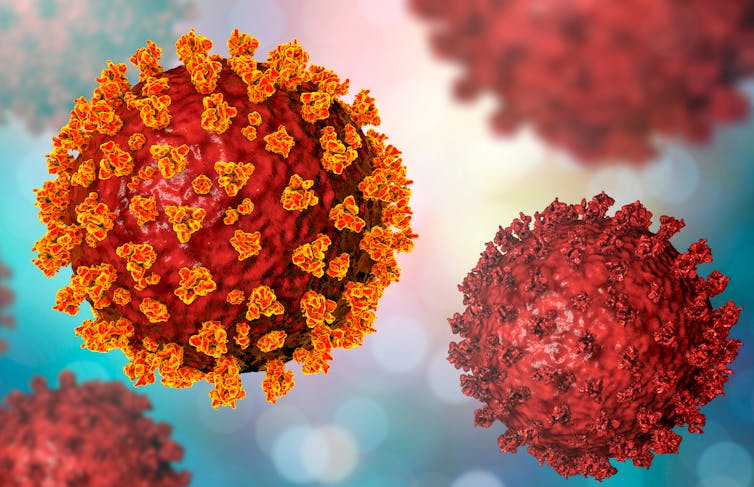
A new variant of SARS-CoV-2, the virus which causes COVID-19, is thought to be driving increased transmission of the disease in parts of the UK. The government has placed some regions including London under new, stricter coronavirus restrictions, known as Tier 4. People in Tier 4 areas will not be able to gather with anyone outside their household for Christmas, while those in the rest of the country can only gather on Christmas Day itself.

Boris Johnson, the prime minister, and his chief scientific advisors said that the new variant could increase transmission of COVID-19 by as much as 70% and increase the R or reproduction number by 0.4.

What’s the significance of this new discovery? The Conversation asked Lucy van Dorp, a microbial genomics researcher and an expert in the evolution of pathogens, some key questions about what we know at this point in time.

What do we know about this new variant?

The new UK variant, known as VUI–202012/01 or lineage B.1.1.7, was first announced by Matt Hancock, the health secretary on December 14. It was subsequently confirmed by Public Health England and the UK’s COVID-19 sequencing consortium. Screening back through databases of SARS-CoV-2 the first sample was taken in the county of Kent on September 20.

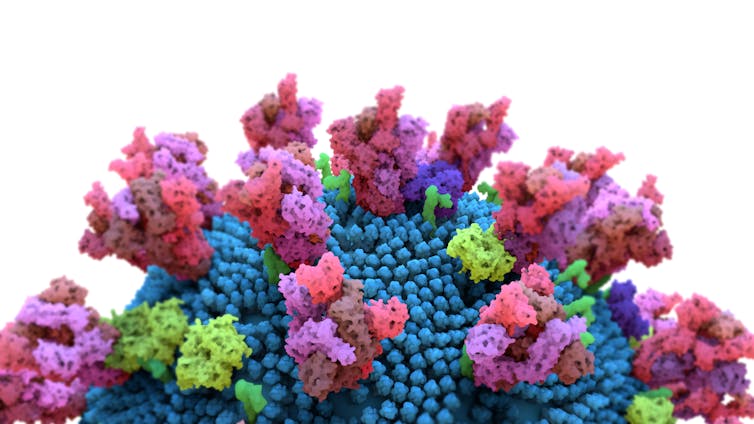
The variant carries 14 defining mutations including seven in the spike protein, the protein that mediates entry of the virus into human cells. This is a relatively large number of changes compared to the many variants we have in circulation globally.

To date, genetic profiles – or genomes – of this variant have been largely sequenced and shared from the UK but include some in Denmark and two cases in Australia. There have also been reports of a case in the Netherlands. These countries all have very large genome sequencing efforts and it is very possible that these observations do not reflect the true distribution of this variant of the virus, which could exist undetected elsewhere. We will know more as more genomes are generated and shared.

Thanks to the efforts of data sharing, genomic surveillance and COVID-19 test results in the UK, it seems that this variant is now starting to dominate over existing versions of the virus and that it may be responsible for an increasing proportion of cases in parts of the country, particular in regions where we also have rapidly expanding case numbers.

It is always very difficult to disentangle cause and effect in these cases. For example increases in the appearance of certain mutations can be due to viral lineages carrying them rising in frequency just because they happen to be the ones present in an area where transmission is high, for example due to human activities or choice of interventions.

Though this is still a possibility, there are clearly enough concerning observations so far for this variant to warrant very careful characterisation, surveillance and interventions to curb transmission.

Is it more dangerous?

Chris Whitty, the chief medical officer, stated clearly that there was no evidence to date that this variant alters disease severity, either in terms of mortality or the seriousness of the cases of COVID-19 for those infected. Work is underway to confirm this.

How do virus mutations happen?

Mutations are a natural part of virus evolution. In the case of SARS-CoV-2, these mutations may arise due to random errors during virus replication, be induced by antiviral proteins within infected people, or via genetic shuffling – known as recombination. Though signs of recombination are not currently detected in SARS-CoV-2.

Most viral mutations are expected to have no impact. For example, when our team assessed individual mutation replacements in more than 50,000 genomes from the first wave of the pandemic, we detected none that significantly altered viral fitness – the ability of the virus to survive and reproduce.

However, every so often a mutation, or in this case a particular combination of mutations, may strike lucky and offer the virus a new advantage. Viruses carrying these combinations of mutations may then increase in frequency by natural selection given the right epidemiological environment.

An artist's impression of the SARS-CoV-2 spike protein.
Some of the mutations of the new variant affect the all-important spike protein. Design_Cells/Shutterstock

Where did the variant come from?

Right now, we don’t know. To date, scientists have not identified any closely related viruses to support the theory that the variant had been introduced from abroad. The patterns of mutations observed are more supportive of an extended period of adaptive evolution most likely in the UK based on current data.

Similar patterns of mutation to these have been observed in the evolution of SARS-CoV-2 in chronically infected patients with weaker immune systems. The current hypothesis is that such a scenario of chronic infection, in a single patient, may have played a role in the origin of this variant. This will continue to be investigated.

How many variations of SARS-CoV-2 have we found?

There are many thousands of lineages of SARS-CoV-2 which differ on average by only a small number of defining mutations. It remains true that SARS-CoV-2 currently in global circulation have little genomic diversity. Subtleties in the mutations carried in different lineages can, however, be very useful for reconstructing patterns of transmission.

As an example, work early in the pandemic used lineage assignments to identify at least a thousand introductions of SARS-CoV-2 into the UK.

Why is this one different?

It is important to note that many of the mutations defining the UK variant have been observed in SARS-CoV-2 before and even sometimes quite early in the pandemic.

Yet the UK variant, or lineage, is defined by an unusual number and combination of mutations. One of these mutations, N501Y, has previously been shown to increase binding of the virus to receptors in our cells. N501Y was first sequenced in a virus in Brazil in April 2020 and is currently associated with a SARS-CoV-2 variant also rising in frequency in South Africa – an independent lineage from B.1.1.7 that is also warranting concern.

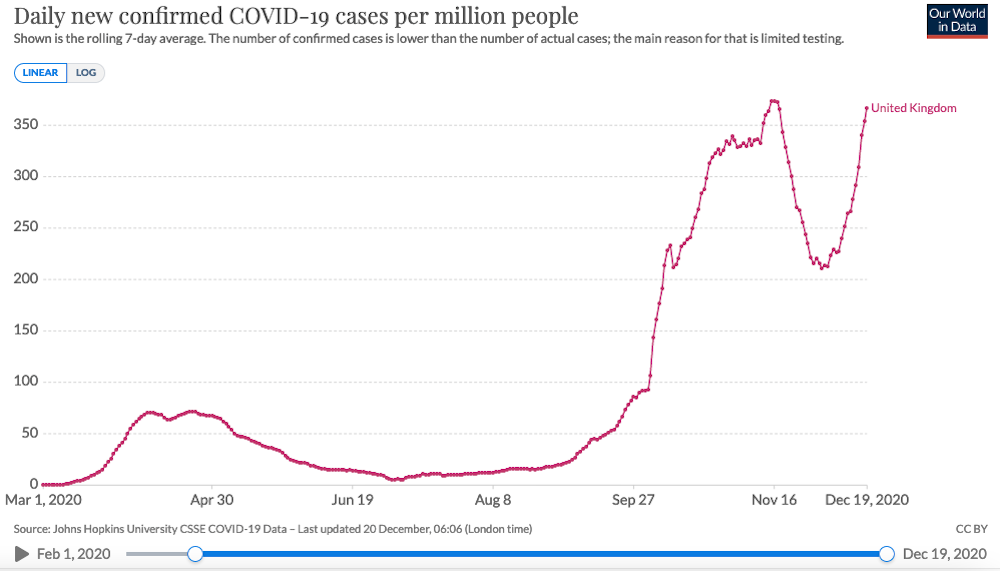
A graph of new COVID-19 cases in the UK.
The new variant is thought to be driving rates of transmission in the UK. OurWorldInData, CC BY-SA

The particular deletions identified in the spike protein of B.1.1.7 have appeared in multiple other lineages of the virus at increasing frequency and are also observed in chronic infections where they may alter antigenicity - recognition by immune antibodies. These deletions may also be associated with other mutations in the binding region of the coronavirus spike protein, including those observed in infections among farmed mink and a mutation shown to play a role in the virus’s ability to evade the immune system in humans. B.1.1.7 also harbours a truncated ORF8 gene, with deletions in this region previously associated with decreased disease severity.

The functional effect of these mutations and deletions, particularly when in the combination reported in B.1.1.7, are still to be determined. The high number of mutations and the recent increase in prevalence of this particular variant, together with the biological relevance of some of the mutation candidates, emphasises the need for in-depth study.

What does this mean for the vaccine?

At the moment we don’t know. Though we should be reassured that vaccines stimulate a broad antibody response to the entire spike protein, so it is anticipated that their efficacy will not be significantly hampered by mutations. This is already being tested.

However, there is an increasing body of evidence that other species of seasonal coronaviruses exhibit some ability to escape immunity over longer time periods.

It is therefore conceivable that we may reach a point where we are required to update our COVID-19 vaccines, as we do for influenza, to reflect the variants in circulation at the time. It’s too early to say if this will be the case now, but extensive genome sequencing, data sharing, and standardised reporting of variants will be vital to inform these efforts.The Conversation

Lucy van Dorp, Senior Research Fellow, Microbial Genomics, UCL

This article is republished from The Conversation under a Creative Commons license.
Monday, October 26, 2020

The neural cruelty of captivity: Keeping large mammals in zoos and aquariums damages their brains


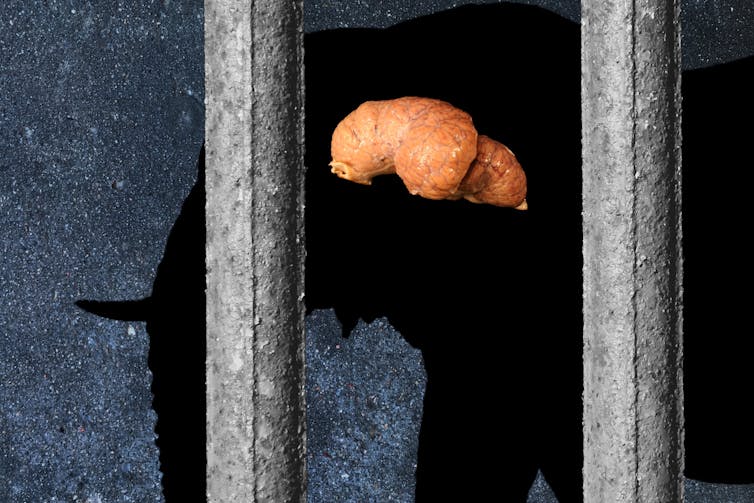
Photograph of an elephant brain. Dr. Paul Manger/ University of the Witwatersrand, Johannesburg, CC BY-ND

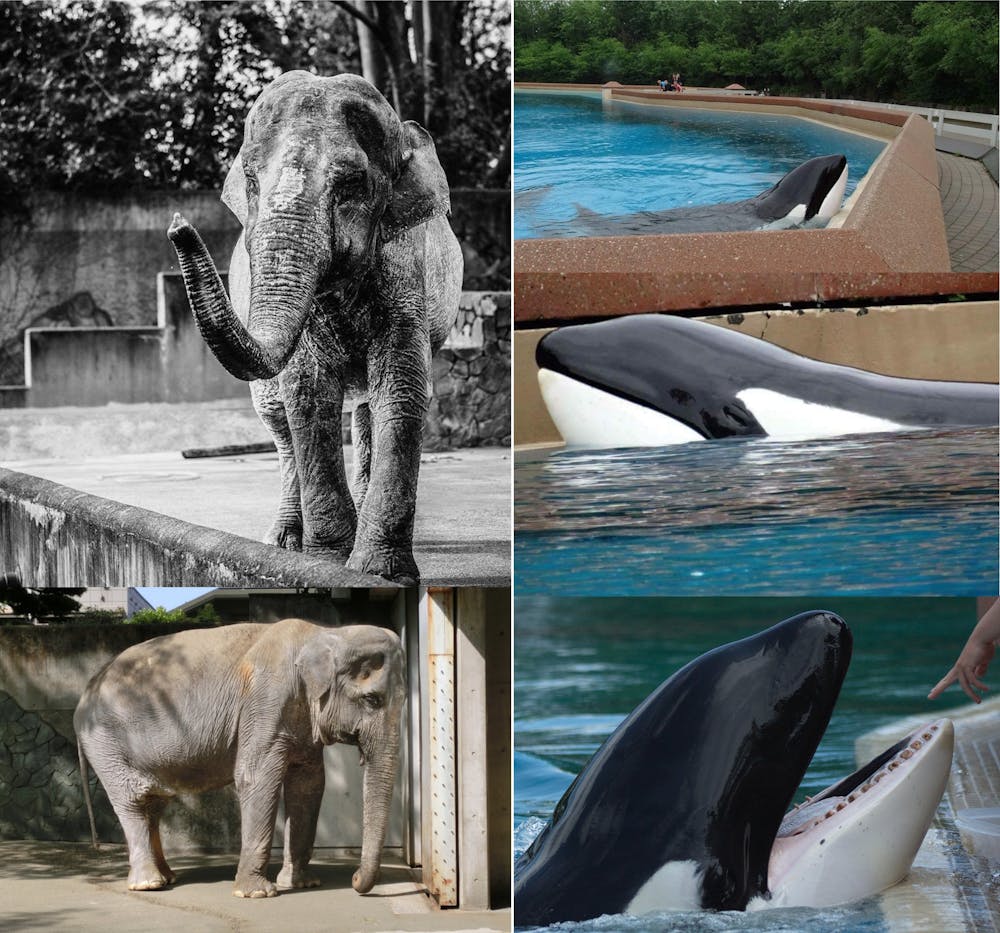
Hanako, a female Asian elephant, lived in a tiny concrete enclosure at Japan’s Inokashira Park Zoo for more than 60 years, often in chains, with no stimulation. In the wild, elephants live in herds, with close family ties. Hanako was solitary for the last decade of her life.

Kiska, a young female orca, was captured in 1978 off the Iceland coast and taken to Marineland Canada, an aquarium and amusement park. Orcas are social animals that live in family pods with up to 40 members, but Kiska has lived alone in a small tank since 2011. Each of her five calves died. To combat stress and boredom, she swims in slow, endless circles and has gnawed her teeth to the pulp on her concrete pool.

Unfortunately, these are common conditions for many large, captive mammals in the “entertainment” industry. In decades of studying the brains of humans, African elephants, humpback whales and other large mammals, I’ve noted the organ’s great sensitivity to the environment, including serious impacts on its structure and function from living in captivity.

Hanako, an Asian elephant kept at Japan’s Inokashira Park Zoo; and Kiska, an orca that lives at Marineland Canada. One image depicts Kiska’s damaged teeth. Elephants in Japan (left image), Ontario Captive Animal Watch (right image), CC BY-ND

Affecting health and altering behavior

It is easy to observe the overall health and psychological consequences of life in captivity for these animals. Many captive elephants suffer from arthritis, obesity or skin problems. Both elephants and orcas often have severe dental problems. Captive orcas are plagued by pneumonia, kidney disease, gastrointestinal illnesses and infections.

Many animals try to cope with captivity by adopting abnormal behaviors. Some develop “stereotypies,” which are repetitive, purposeless habits such as constantly bobbing their heads, swaying incessantly or chewing on the bars of their cages. Others, especially big cats, pace their enclosures. Elephants rub or break their tusks.

Changing brain structure

Neuroscientific research indicates that living in an impoverished, stressful captive environment physically damages the brain. These changes have been documented in many species, including rodents, rabbits, cats and humans.

Although researchers have directly studied some animal brains, most of what we know comes from observing animal behavior, analyzing stress hormone levels in the blood and applying knowledge gained from a half-century of neuroscience research. Laboratory research also suggests that mammals in a zoo or aquarium have compromised brain function.

This illustration shows differences in the brain’s cerebral cortex in animals held in impoverished (captive) and enriched (natural) environments. Impoverishment results in thinning of the cortex, a decreased blood supply, less support for neurons and decreased connectivity among neurons. Arnold B. Scheibel, CC BY-ND

Subsisting in confined, barren quarters that lack intellectual stimulation or appropriate social contact seems to thin the cerebral cortex – the part of the brain involved in voluntary movement and higher cognitive function, including memory, planning and decision-making.

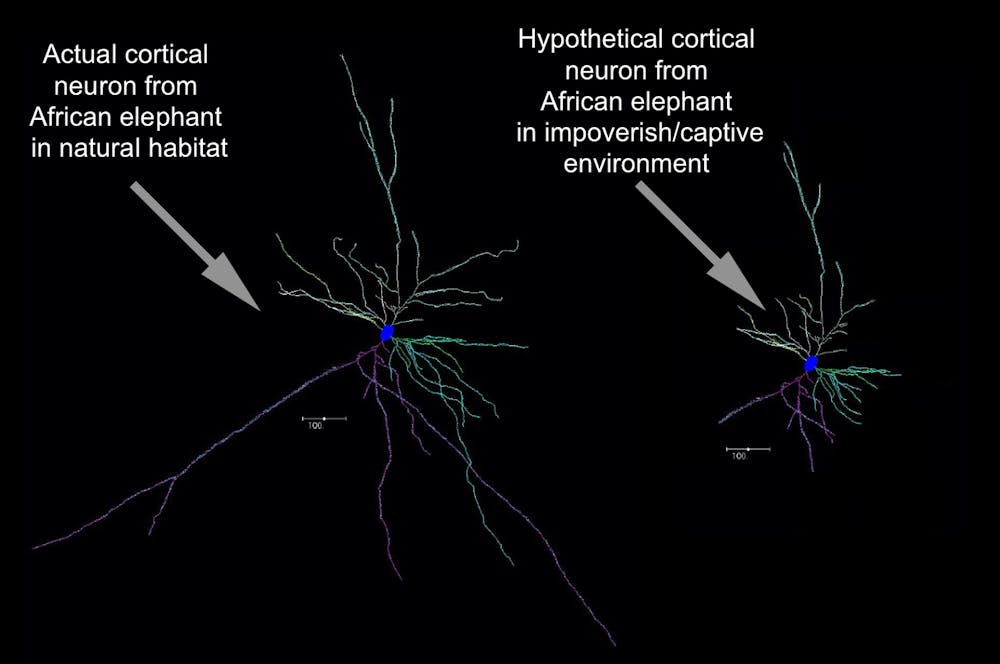
There are other consequences. Capillaries shrink, depriving the brain of the oxygen-rich blood it needs to survive. Neurons become smaller, and their dendrites – the branches that form connections with other neurons – become less complex, impairing communication within the brain. As a result, the cortical neurons in captive animals process information less efficiently than those living in enriched, more natural environments.

An actual cortical neuron in a wild African elephant living in its natural habitat compared with a hypothesized cortical neuron from a captive elephant. Bob Jacobs, CC BY-ND

Brain health is also affected by living in small quarters that don’t allow for needed exercise. Physical activity increases the flow of blood to the brain, which requires large amounts of oxygen. Exercise increases the production of new connections and enhances cognitive abilities.

In their native habits these animals must move to survive, covering great distances to forage or find a mate. Elephants typically travel anywhere from 15 to 120 miles per day. In a zoo, they average three miles daily, often walking back and forth in small enclosures. One free orca studied in Canada swam up to 156 miles a day; meanwhile, an average orca tank is about 10,000 times smaller than its natural home range.

Disrupting brain chemistry and killing cells

Living in enclosures that restrict or prevent normal behavior creates chronic frustration and boredom. In the wild, an animal’s stress-response system helps it escape from danger. But captivity traps animals with almost no control over their environment.

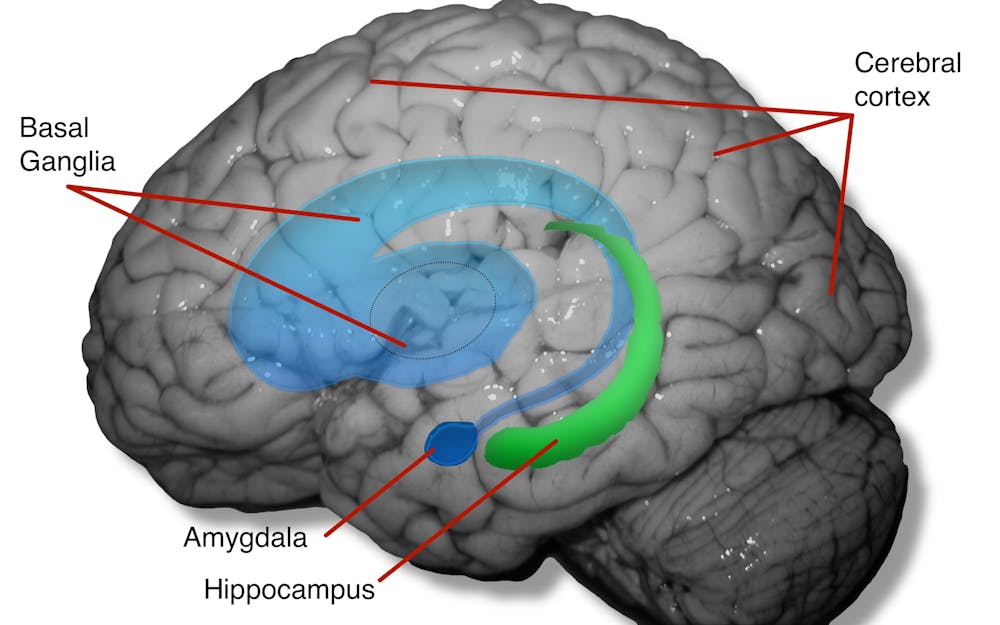
These situations foster learned helplessness, negatively impacting the hippocampus, which handles memory functions, and the amygdala, which processes emotions. Prolonged stress elevates stress hormones and damages or even kills neurons in both brain regions. It also disrupts the delicate balance of serotonin, a neurotransmitter that stabilizes mood, among other functions.

In humans, deprivation can trigger psychiatric issues, including depression, anxiety, mood disorders or post-traumatic stress disorder. Elephants, orcas and other animals with large brains are likely to react in similar ways to life in a severely stressful environment.

Damaged wiring

Captivity can damage the brain’s complex circuitry, including the basal ganglia. This group of neurons communicates with the cerebral cortex along two networks: a direct pathway that enhances movement and behavior, and an indirect pathway that inhibits them.

The repetitive, stereotypic behaviors that many animals adopt in captivity are caused by an imbalance of two neurotransmitters, dopamine and serotonin. This impairs the indirect pathway’s ability to modulate movement, a condition documented in species from chickens, cows, sheep and horses to primates and big cats.

Image of brain showing areas affected by captivity
The cerebral cortex, hippocampus and amygdala are physically altered by captivity, along with brain circuitry that involves the basal ganglia. Bob Jacobs, CC BY-ND

Evolution has constructed animal brains to be exquisitely responsive to their environment. Those reactions can affect neural function by turning different genes on or off. Living in inappropriate or abusive circumstance alters biochemical processes: It disrupts the synthesis of proteins that build connections between brain cells and the neurotransmitters that facilitate communication among them.

There is strong evidence that enrichment, social contact and appropriate space in more natural habitats are necessary for long-lived animals with large brains such as elephants and cetaceans. Better conditions reduce disturbing sterotypical behaviors, improve connections in the brain, and trigger neurochemical changes that enhance learning and memory.

The captivity question

Some people defend keeping animals in captivity, arguing that it helps conserve endangered species or offers educational benefits for visitors to zoos and aquariums. These justifications are questionable, particularly for large mammals. As my own research and work by many other scientists shows, caging large mammals and putting them on display is undeniably cruel from a neural perspective. It causes brain damage.

[Deep knowledge, daily. Sign up for The Conversation’s newsletter.]

Public perceptions of captivity are slowly changing, as shown by the reaction to the documentary “Blackfish.” For animals that cannot be free, there are well-designed sanctuaries. Several already exist for elephants and other large mammals in Tennessee, Brazil and Northern California. Others are being developed for large cetaceans.

Perhaps it is not too late for Kiska.

Dr. Lori Marino, president of the Whale Sanctuary Project and a former senior lecturer at Emory University, contributed to this article.The Conversation

Bob Jacobs, Professor of Neuroscience, Colorado College

This article is republished from The Conversation under a Creative Commons license.